
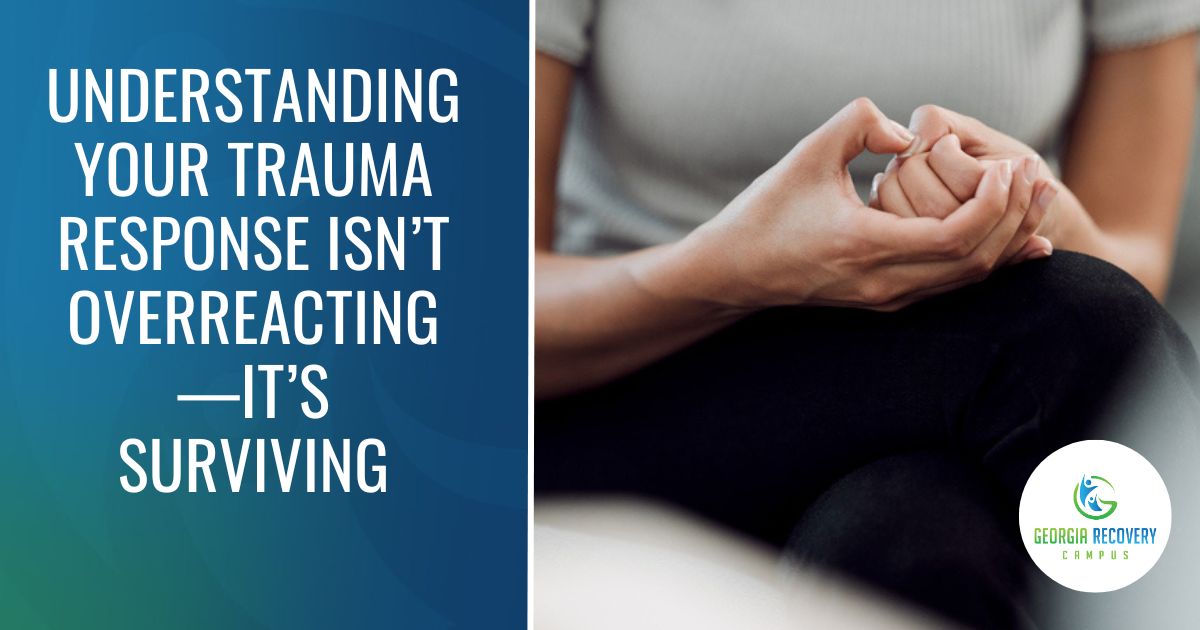
Understanding Your Trauma Response Isn’t Overreacting—It’s Surviving
Sometimes, when we react strongly to situations, it’s easy to feel like we’re overreacting or being too sensitive. But trauma responses aren’t about exaggeration—they’re deeply rooted survival mechanisms built into our bodies and brains. These responses come from a place of protection, even if they don’t always make sense to others or ourselves.
The Science Behind Trauma Responses
Nervous System and Trauma
When trauma hits, our nervous system kicks into survival mode. It’s not just about feeling scared; it’s a whole-body response controlled by the autonomic nervous system. You’ve probably heard of fight, flight, freeze, and fawn—these are ways your body tries to keep you safe. Sometimes, even after the danger has passed, your system stays on high alert or shuts down, making everyday stress feel overwhelming. Think of it as your body stuck in survival mode, reacting to normal things like they’re life-threatening.
The Brain’s Role in Processing Trauma
Trauma changes how parts of your brain work. The amygdala, which senses threats, can get stuck in overdrive. Your hippocampus, which helps you remember things clearly, might jumble up your memories. And the prefrontal cortex, the area responsible for rational thinking, might struggle to keep emotions in check. This combination means your brain is wired to protect you, sometimes in ways that seem confusing or “irrational.” The good news? The brain can rewire itself, so healing is possible.
Identifying Trauma Responses in Everyday Life
Recognizing Emotional Reactions
Trauma can show up in many ways emotionally. Maybe you feel sudden anxiety in situations that others find normal, or anger that seems out of proportion. Sometimes, you might just feel numb or disconnected. These feelings aren’t about being weak or difficult—they’re signals from a brain trying to protect you based on past experiences. Recognizing these reactions as part of trauma can help you be kinder to yourself.
Physical Symptoms of Trauma
Trauma can also affect your body. You might feel tired all the time, get headaches, or have stomach issues that doctors can’t fully explain. These are often linked to your body’s stress response working overtime. When your system is constantly on alert, it can affect your immune system and overall health. Paying attention to these signs can help you see the connection between your body and what you’ve been through.
Debunking the Myth of Overreacting
Understanding ‘Overreacting’ Versus Survival Mechanisms
Calling trauma responses “overreactions” misses the point—they’re actually survival tools your body uses to keep you safe. These responses aren’t about being overly emotional or irrational; they’re how humans have evolved to survive threats. When you shift your view to see them as protective rather than problematic, it changes how you relate to yourself and your feelings.
Impact of Labeling on Mental Health
When people dismiss your trauma responses as overreacting, it can hurt. It might make you doubt yourself or feel ashamed. That shame can make it harder to heal. Recognizing these responses as valid survival strategies encourages self-compassion and reduces the stigma around trauma. It also opens the door to real healing and support.
Effective Strategies for Navigating Trauma Responses
Therapeutic Approaches
Therapy can be a powerful way to work through trauma. Approaches like Cognitive Behavioral Therapy (CBT), Eye Movement Desensitization and Reprocessing (EMDR), and Dialectical Behavior Therapy (DBT) offer different tools to process trauma and retrain your nervous system. These methods help by changing thought patterns, processing traumatic memories, and releasing physical tension. Working with someone trained in trauma care can guide you safely through this process.
Self-Help Techniques and Mindfulness
You don’t have to rely on therapy alone. Mindfulness, grounding exercises, and journaling can help manage trauma responses day-to-day. Mindfulness encourages staying present instead of getting caught up in past pain. Grounding techniques bring your focus back to the here and now when emotions feel overwhelming. Writing down your thoughts and feelings can give you space to understand what you’re experiencing.
Building Supportive Environments
Creating a Support Network
Having people you trust around you makes a huge difference. Friends, family, or support groups can provide comfort and understanding when things get tough. Setting boundaries in these relationships is important to keep them healthy and helpful. For those near Reynolds, GA, our recovery campus can center your mind and emotions, and our team can connect you with others who understand what you’re going through.
Promoting Awareness and Education
Trauma affects everyone differently, so it’s important for communities to learn about how trauma works. Education helps break down stigma and creates safer spaces for people to talk openly about their experiences. When workplaces, schools, and healthcare providers adopt trauma-informed approaches, it helps everyone feel seen and supported.
Your Response Is Real, and Support Is Here
If you or someone you care about struggles with trauma responses, remember these reactions are part of survival, not weakness. Healing can feel overwhelming, but you don’t have to face it alone. At Georgia Recovery Campus, we provide compassionate care tailored to your needs. Our team is ready to help guide you through healing with evidence-based therapies and supportive programs.
Call (478) 216-1110 today to take that important first step toward reclaiming your life.